

In today's digital landscape, streaming services have become a mainstay for entertainment seekers around the globe. However, geographical restrictions often limit access to certain content, creating a demand for solutions that can legally enhance streaming freedom. This is where virtual private networks, or VPNs, come into play. By routing your traffic through different locations, VPNs promise to unlock a world of content while also bolstering your privacy. But with the advantages come questions about legality and security, especially when it comes to using these tools on popular devices like streaming sticks and smart TVs.
As you navigate the realm of online streaming, understanding the role of a VPN in improving not only access but also the security of your streaming experience is crucial. is vpn legal for streaming -factor authentication further enhances account protection, making it harder for unauthorized users to gain access to your services. This article delves into the nuances of VPN use for streaming, clarifying the legal aspects associated with accessing content from different countries and how you can maximize your security. Whether you're using an Amazon Fire TV Stick or an Android streaming device, arming yourself with the right information is essential for a safe and enjoyable streaming journey.
Understanding VPNs and Streaming
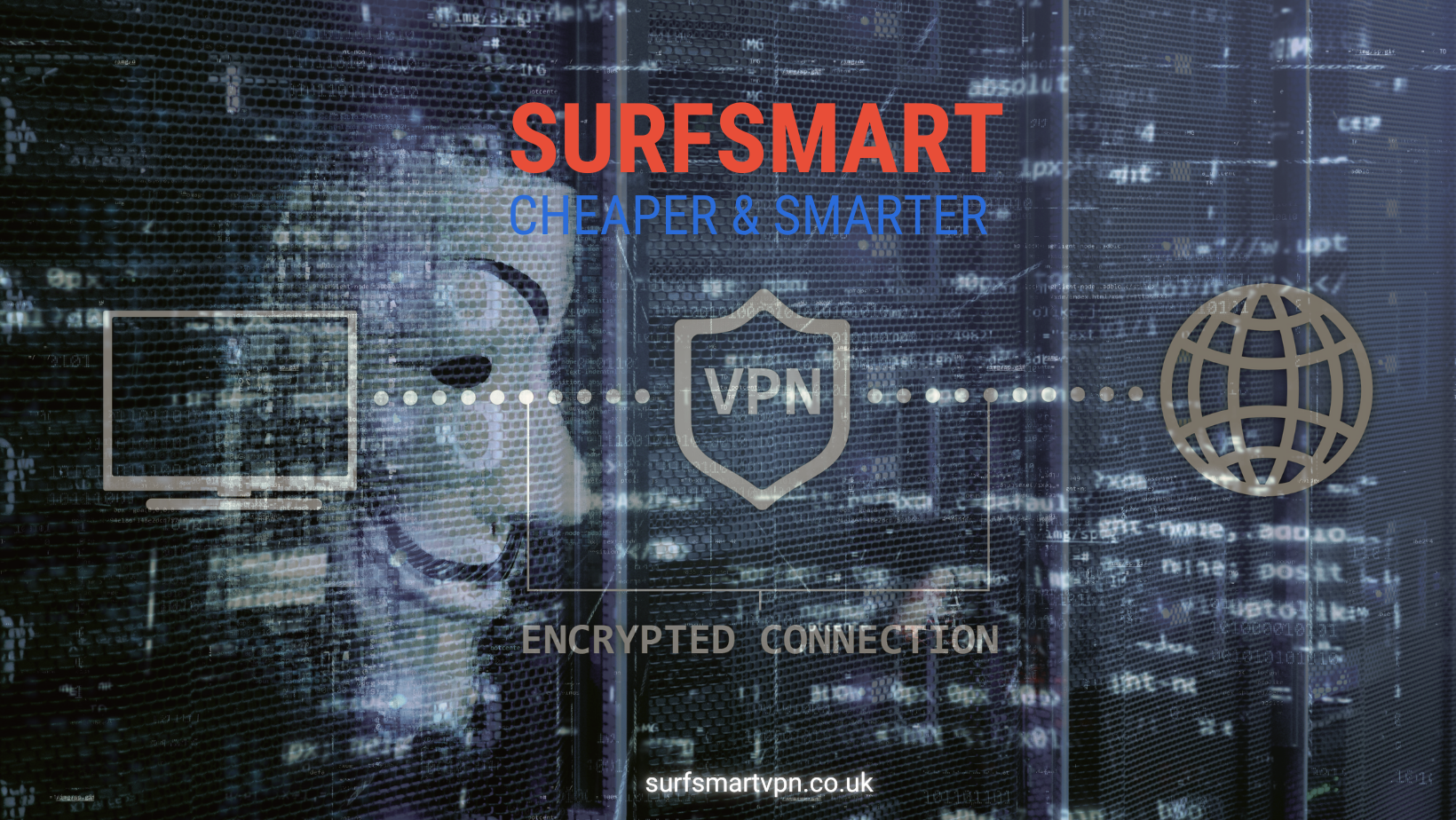
Virtual Private Networks, or VPNs, are tools that create a secure and encrypted connection over a less secure network, such as the Internet. They are increasingly being used by individuals to enhance their online privacy and security, especially when accessing streaming services. By masking your IP address and routing your traffic through a server in a different location, a VPN can provide anonymity and make it appear as if you are accessing the internet from another region. This capability has made VPNs popular for streaming content that may be geo-restricted to specific countries.
When it comes to streaming, the legality and effectiveness of using a VPN can vary significantly depending on the service provider’s terms of service and local laws. While using a VPN is legal in many places, streaming services may have strict policies against bypassing geo-restrictions. This means that while you can legally use a VPN to protect your privacy, doing so to access content that is not available in your area can potentially violate the service's rules. It’s essential to understand the terms of use for each streaming service to avoid any issues.
Moreover, modern streaming devices like smart TVs and streaming sticks support VPN applications, allowing users to secure their connections directly on the device without needing additional hardware. This integration enhances the streaming experience by enabling secure access and protecting user data. However, the effectiveness of a VPN can depend on the server's speed and the encryption level used, which can impact streaming quality. Therefore, evaluating the performance and legality of your chosen VPN is crucial to enjoying seamless and secure access to your favorite content.
Is Using a VPN for Streaming Legal?
The legality of using a VPN for streaming largely depends on the laws of your country and the terms of service of the streaming platforms you use. In many countries, employing a VPN is legal, allowing users to protect their privacy and secure their internet connection. However, while the act of using a VPN itself may be lawful, accessing content that is not available in your region can violate licensing agreements, which could lead to consequences from the streaming service.
Streaming services like Netflix, Hulu, and others often have content libraries that vary by region due to licensing agreements with content providers. Using a VPN to bypass these geo-restrictions may contravene the provider’s terms of service. If caught, a user could face account suspension, banning, or other penalties enforced by the service. Thus, consumers must weigh the benefits of VPN usage against the potential risks of breaching these agreements.
To summarize, while using a VPN for streaming may be legal in many jurisdictions, it is essential to acknowledge the specific terms of service for each streaming platform. Users should be informed about the legal implications of their actions and consider the consequences of accessing content from different countries, ensuring a balanced approach to privacy and compliance.
How VPNs Route Your Internet Traffic
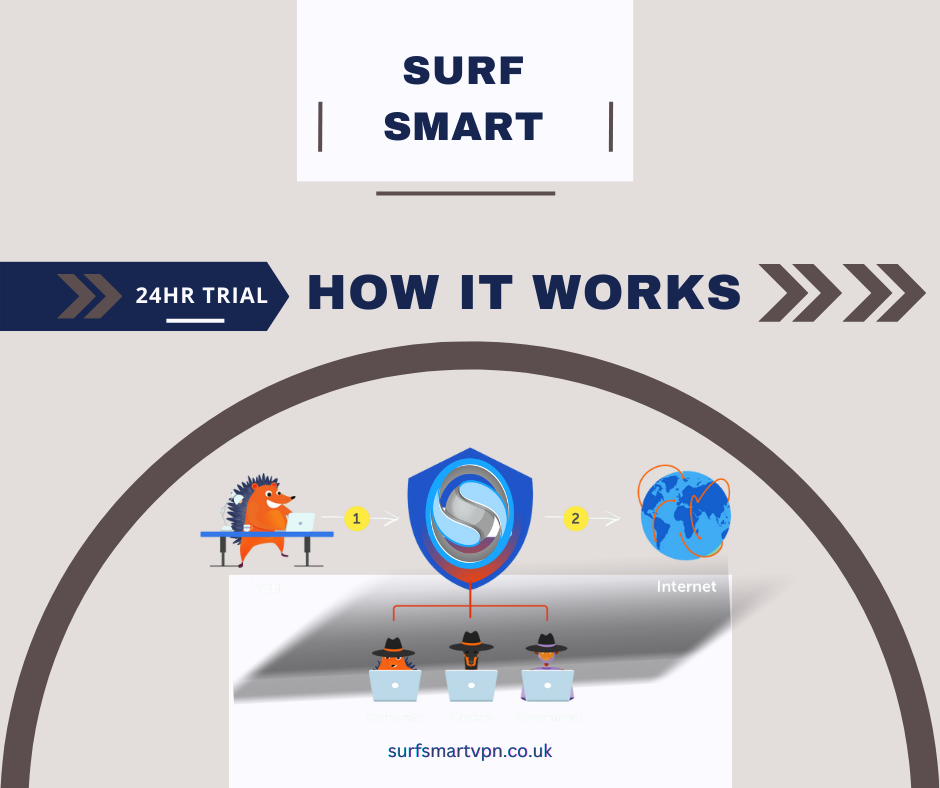
When you connect to a Virtual Private Network (VPN), your internet traffic is routed through a secure server operated by the VPN provider. This process creates an encrypted tunnel between your device and the VPN server, ensuring that your data is protected from prying eyes. As a result, the internet service provider and other entities cannot easily see what websites you are visiting or the content you are streaming. This encryption helps enhance your privacy online and offers a layer of security against potential cyber threats.
The routing of your traffic through a VPN server also allows you to appear as if you are accessing the internet from the server's location. For instance, if you connect to a server in another country, websites and streaming services will recognize your connection as coming from that location. This can be particularly useful for accessing geo-restricted content that is otherwise unavailable in your region. However, it is essential to understand the legal implications of using a VPN to access such content, as different countries have varying laws regarding this practice.
Furthermore, the effectiveness of a VPN in routing traffic also depends on the quality of the VPN service you choose. Some VPNs may have limitations on speed and data usage, which can affect your streaming experience. Quality VPN services typically provide a range of servers optimized for streaming, ensuring minimal buffering and high-definition video playback. This combination of routing traffic securely and ensuring a quality connection makes VPNs a popular choice for those looking to enhance their streaming privacy and access content from various platforms.
VPNs and Streaming Sticks
Streaming sticks, such as Amazon Fire TV and Roku devices, have gained popularity due to their convenience and accessibility. However, users often encounter geo-restrictions that limit content availability based on their location. This is where VPNs come into play, allowing users to route their traffic through servers in different countries. By doing so, they can bypass these geographical limitations and access a wider range of streaming content legally.
Installing a VPN on a streaming stick can enhance the user experience by not only unblocking content but also securing the connection against potential hackers. Most VPNs offer user-friendly apps or configurations that can easily be installed on these devices. With a VPN active, the streaming data is encrypted, protecting privacy and ensuring that users can enjoy their favorite shows without the fear of being tracked or monitored.
While using a VPN with a streaming stick is generally legal, users must be cautious about the terms of service for their streaming platforms. Many providers have policies against using VPNs to access content, which could lead to account suspension if discovered. Therefore, it's essential to choose a reliable VPN service and understand the legal implications of bypassing regional content restrictions while ensuring a secure and private streaming experience.
Setting Up a VPN for Streaming Services
To begin setting up a VPN for streaming services, first select a reputable VPN provider that supports streaming. Look for a service that offers fast speeds, reliable connections, and servers in multiple countries. Many VPNs also provide specific features for bypassing geo-restrictions, which can be crucial for accessing content not available in your region. Research user reviews to ensure you choose a provider that has a good track record with streaming.
Once you have selected a VPN, download and install the application on your device. This could be a streaming stick, smart TV, or any other device you plan to use for streaming. Follow the installation prompts to set up the application, and then log in with your account credentials. Most VPNs are user-friendly and offer easy navigation, allowing you to connect to a server quickly. Choose a server located in the country of the content you wish to access to ensure a smooth streaming experience.
After establishing a connection, you can open your streaming service of choice. The VPN will route your traffic effectively, masking your IP address and making it appear as though you are accessing content from the selected server location. This can help improve your privacy while streaming and allow you to enjoy shows and movies that may have been geographically restricted. Always ensure that your VPN connection is stable before starting a streaming session to avoid interruptions.
The Benefits of Using a VPN for Content Access
Using a VPN can significantly enhance your streaming experience by providing access to a broader range of content. Many streaming services have regional restrictions that limit what users can watch based on their geographical location. By routing your traffic through a server in a different country, a VPN effectively masks your actual location, allowing you to access content that may otherwise be unavailable in your area. This opens up new viewing options and enriches your entertainment choices.
Another advantage of using a VPN is the added layer of privacy and security it offers while streaming. VPNs encrypt your internet connection, making it difficult for third parties, such as ISPs or hackers, to monitor your online activities. This encryption helps protect your personal information and ensures that your streaming habits remain private. As streaming services continue to evolve, maintaining this level of privacy becomes increasingly important for consumers.
Finally, using a VPN can improve streaming speeds in certain situations. In some cases, ISPs may throttle bandwidth for streaming services, leading to buffering and reduced quality. By using a VPN, you can potentially bypass these restrictions as your traffic is encrypted and less visible to your ISP. This can lead to smoother playback and a more enjoyable streaming experience overall, making a VPN a valuable tool for avid streamers.
Potential Drawbacks of VPN Usage
While using a VPN offers enhanced privacy and security for streaming services, there can be notable drawbacks. One significant concern is the potential for decreased streaming speed. Since a VPN routes your traffic through servers that may be located far from your actual location, this can lead to increased latency and buffering, hindering the overall viewing experience. Users may find that loading times are longer and that high-definition videos may struggle to play smoothly.
Another drawback involves the compatibility issues that may arise with certain streaming services. Many platforms actively work to detect and block VPN traffic to enforce their licensing agreements. This can prevent users from accessing content they pay for, despite using a VPN. Consequently, finding a reliable VPN that can bypass these restrictions often requires additional research and may not always guarantee success.
Additionally, the legal implications of using a VPN for streaming can be complex. While the act of using a VPN itself is legal in many jurisdictions, streaming content that is geo-restricted can violate the terms of service of the streaming platforms. This places users at risk of account suspension or termination if detected. Therefore, it is essential for users to be aware of both the legalities and the specific policies of their chosen streaming services to avoid potential pitfalls.
Two-Factor Authentication: Enhancing Security
Two-factor authentication (2FA) adds an important layer of security to your streaming accounts by requiring an additional verification method besides your password. This extra step can be a text message, a phone call, or an app notification, making it significantly harder for unauthorized users to access your account. When streaming content, the risk of account breaches increases, especially when using shared or public networks. Implementing 2FA helps mitigate these risks and protects your personal information from potential threats.
Using a VPN for streaming not only helps mask your location but also complements the security benefits of two-factor authentication. By encrypting your internet connection, a VPN creates a safe gateway for accessing streaming services, while 2FA ensures that even if your password is compromised, a second method of verification will deter an attacker. This multi-layered approach is crucial for anyone who values their privacy and security while enjoying online content.
As streaming sticks and smart TVs become more commonplace, ensuring their security becomes essential. Many streaming platforms now support two-factor authentication, allowing users to enhance their account protection easily. Coupled with a VPN, subscribers can enjoy their favorite shows and movies without the constant concern of account breaches, ensuring a safer and more enjoyable streaming experience.
Best Practices for Streaming with a VPN
When utilizing a VPN for streaming, it is crucial to select a reputable service that prioritizes speed and reliability. Look for VPNs that offer dedicated servers optimized for streaming, as these are designed to handle high bandwidth demands without buffering. Additionally, ensure that the VPN you choose has a no-logs policy, which means it does not track your online activity. This adds an extra layer of privacy and security to your streaming sessions.
Another best practice is to connect to a server located in the same country as the content you wish to access. This helps to minimize latency and improves your streaming experience. Many streaming platforms have region-specific libraries, and connecting to the correct server can help you bypass restrictions while still ensuring optimal performance. Take time to test different servers and find the one that works best for your needs.
Using two-factor authentication on your streaming accounts adds an essential layer of security. It protects your accounts from unauthorized access, which is especially important when using a VPN that may expose your traffic to potential vulnerabilities. By enabling this feature, you ensure that even if someone learns your login credentials, they cannot access your account without the second authentication method. This final safeguard not only secures your personal information but also enhances your overall streaming experience.
Conclusion: The Future of VPNs in Streaming
As streaming services continue to expand their content libraries globally, the use of VPNs is becoming a commonplace solution for viewers seeking access to restricted media. The legality of using a VPN for streaming varies by region and specific service agreements, yet many users leverage these tools without significant repercussions. Understanding the terms of service of each streaming platform is essential, as this knowledge empowers users to navigate their options responsibly while enjoying their favorite content.
The technological advancements in VPNs have also improved their ability to route traffic efficiently while maintaining high levels of encryption. This progression is particularly beneficial for users streaming on devices like Amazon Fire TV sticks and smart TVs, where a seamless experience is essential. Along with enhanced privacy, features like two-factor authentication provide an extra layer of security for streaming accounts, making it increasingly difficult for unauthorized parties to gain access.
Looking ahead, the interplay between streaming services and VPN technology will continue to evolve. As content licensing agreements become more intricate, users may find themselves relying more on VPNs to access the content they love. However, it's crucial to remain informed about the legal landscape surrounding VPN use, ensuring that users can enjoy a secure and private streaming experience without running afoul of regulations or service agreements.